5 Money Habits That Actually Stick (Backed by Behavioural Science)
Most financial advice fails because it ignores human psychology. Here are 5 evidence-based money habits that work with your brain, not against it.
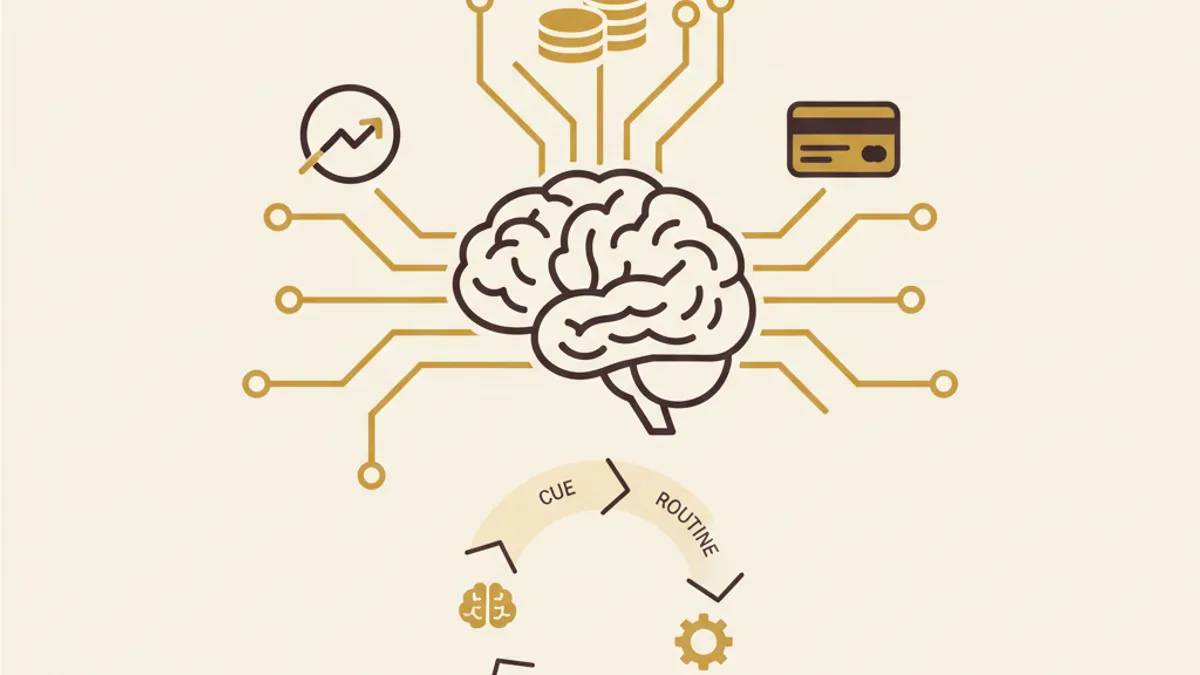
The short version
- Before any non-essential purchase over $50, wait 24 hours.
- Set up automatic transfers on payday BEFORE you see the money in your spending account.
You've tried budgeting. You've downloaded apps. You've made New Year's resolutions. And by February, you're back to old habits.
The problem isn't willpower. It's that most financial advice ignores how human brains actually work.
Why most money habits fail
Behavioural scientists have identified three reasons:
- Friction, if it takes effort, it won't happen consistently
- Delayed rewards, saving $50 today doesn't feel rewarding until months later
- Willpower depletion, making decisions all day means fewer good decisions about money in the evening
The fix: design habits that remove friction, create immediate rewards, and don't rely on willpower.
Habit 1: The 24-hour rule
Before any non-essential purchase over $50, wait 24 hours. Don't put it in your cart. Don't "save it for later." Just wait.
Why it works: Impulse purchases are driven by anticipation, which feels better than the purchase itself. After 24 hours that anticipation has faded and you are deciding about the object rather than the feeling. A large share of wants simply do not survive the wait.
Steady tip: If you notice a spending spike, ask Steady's AI "What did I buy this week over $50?", it helps you spot impulse patterns.
Habit 2: Automate first, spend second
Set up automatic transfers on payday BEFORE you see the money in your spending account. If you earn $2,000/fortnight:
- $200 → savings (automatic transfer)
- $100 → emergency fund (automatic transfer)
- $1,700 → spending account (what's left)
Why it works: Behavioural economists call this "choice architecture." You're making the good decision once (setting up the transfer) and then never having to decide again. You can't miss money you never saw.
Habit 3: Track one number
Don't track 15 budget categories. Track one number: your safe-to-spend.
Safe-to-spend = your balance minus upcoming bills minus savings already allocated.
Why it works: Cognitive load kills habits. One number is easy to check. Fifteen categories is a spreadsheet. Steady shows your safe-to-spend on the dashboard, one glance, one number, done.
Habit 4: Reward yourself immediately
Every time you resist an impulse purchase or hit a savings milestone, do something small but immediately rewarding:
- Transfer $5 to a "fun fund"
- Give yourself a mental high-five
- Check off a tracker
Why it works: Delayed gratification is hard. Immediate gratification is easy. By pairing good financial behaviour with small rewards, you build positive associations with saving.
Steady tip: Steady's gamification system does this automatically, you earn XP for checking in, reviewing spending, and hitting goals. Levelling up unlocks new looks and streak protection. It sounds gimmicky, but it works because it makes the immediate feedback loop that saving money lacks.
Habit 5: Weekly 5-minute check-in
Every Monday (or whatever day works), spend exactly 5 minutes on your money:
- Open Steady
- Check safe-to-spend
- Check any budget warnings
- Note any upcoming bills
- Done
Why it works: Awareness is the foundation. Most money problems come from not looking. A 5-minute weekly habit prevents the "I had no idea I spent that much" moment at the end of the month.
The meta-habit
The most important habit isn't any single behaviour, it's reducing friction across all of them. Automate everything you can. Use tools that make tracking effortless. Design your environment so the default behaviour is the good behaviour.
How long does it take for a money habit to stick?
Longer than the number you have heard, and it varies enormously between people and between habits.
An automatic transfer is effectively instant, because it requires nothing of you after the day you set it up. A weekly check-in takes months, because it asks you to remember something on a specific day forever.
Which is the real lesson: the habits that stick fastest are the ones that need the least remembering. Automate what you can and only rely on repetition for what you cannot.
What do I do if I break the streak?
Start again on the next ordinary day, and skip the post-mortem.
One missed week changes nothing about your money. What does damage is the story people attach to it, because "I have ruined it" is a much better reason to stop than to restart.
The useful rule is never to miss twice. One gap is a gap. Two is the beginning of a different habit.
If I only build one habit, which one?
Automate the transfer on payday. Nothing else comes close on effort against effect.
It works while you are asleep, it survives a bad week, and it does not depend on you making a good decision at the moment the money is available. Everything else on this list improves your awareness; this one changes the outcome whether you are paying attention or not.
Start at an amount you barely notice. You can raise it in three months when it has stopped feeling like anything.
Do budgeting apps actually change behaviour?
They change awareness reliably. Whether awareness changes behaviour is up to you, and usually it does.
What an app removes is the excuse of not knowing. Once the number is in front of you every day, a pattern you had been vaguely aware of becomes a fact with a dollar sign on it, and most people adjust without deciding to.
What no app can do is make the decision. A tool that tells you the truth is the whole offer, and it is a bigger one than it sounds.
The bottom line
You don't need more willpower. You need better systems. Automate your savings, track one number, reward yourself immediately, and check in for 2 minutes a day. That's it. Five habits, minimal effort, maximum impact. Get started with Steady.

Written by Sam Wilson
Founder, Steady
Sam is a New Zealand founder building Steady, a personal finance app designed for Kiwis, integrated with every major NZ bank via Akahu. He writes about money, bank integrations, and what actually works for everyday New Zealanders.More about Sam
Steady connects your bank and tracks it all automatically, no spreadsheets. Join the waitlist for early access.
Suggested reads
More from the Steady blog
What's Your Money Personality? 5 Types of NZ Spenders
Are you a Spender, Saver, Avoider, or Monk? Your spending personality explains why budgets keep failing, and what to do instead.
How to Set Financial Goals That You'll Actually Achieve
92% of financial goals fail. The three things the ones that work have in common, and how to set yours up the same way.
How to Automate Your Finances in NZ (Set and Forget)
Set it up once, never think about it again. This NZ automation guide puts your savings, bills, and tracking on autopilot in under 30 minutes.
Ready to sort your money?
Steady connects to your NZ bank accounts and helps you track spending, set goals, and get AI-powered insights.
Try Steady free