Fortnightly Pay Budgeting: The NZ Guide for 26 Paydays
Paid fortnightly? You get 2 'bonus' pay months per year. Here's how to budget for fortnightly pay in NZ, and what to do with the extras.
The short version
- Getting paid fortnightly means two months per year you get three pay packets instead of two.
- Your fortnightly take-home pay is your starting point.
- Monthly templates assume 2 pays per month.
Most budgeting advice assumes you get paid monthly. But if you're like most NZ workers, you get paid fortnightly, 26 times a year, not 24. If you're brand new to budgeting, start with our beginner's budgeting guide.
This matters more than you think.
The fortnightly advantage
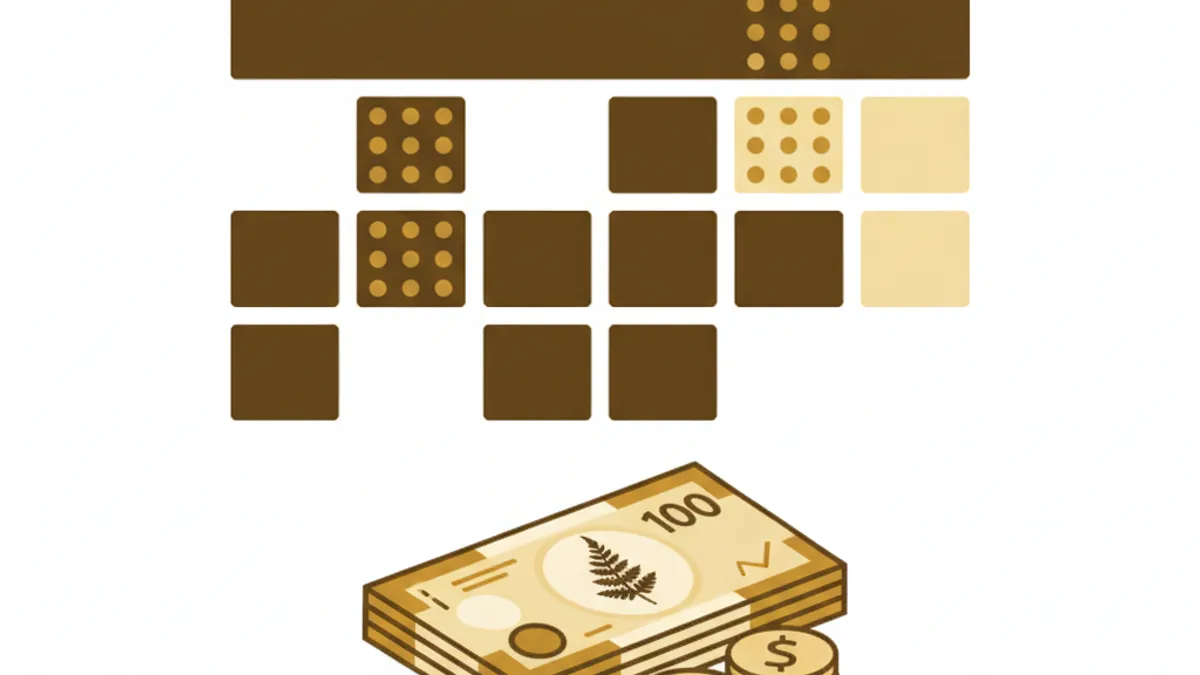
Getting paid fortnightly means two months per year you get three pay packets instead of two. These "bonus" months are a huge opportunity, if you plan for them.
In 2026, the three-pay months (for Wednesday paydays) are likely around March and September, depending on your exact pay date.
How to budget fortnightly
Step 1: Know your fortnightly pay
Your fortnightly take-home pay is your starting point. Not your annual salary, not your monthly estimate, the actual amount that hits your bank every two weeks.
Step 2: Split into categories
From each fortnightly pay, allocate:
- Fixed costs (50-60%): Rent, power, phone, insurance, minimum loan payments. Divide monthly bills by 2.17 to get the fortnightly amount (not 2, there are 2.17 fortnights per month on average).
- Living costs (20-30%): Groceries, transport, personal care
- Savings/debt (10-20%): Emergency fund, goals, extra debt payments
- Fun (5-10%): Dining out, entertainment, hobbies
Step 3: Handle the bonus months
When you get that third pay in a month, DON'T increase your spending. Instead:
- Put the entire extra pay into savings or debt
- Or split it: 50% savings, 50% treat yourself
- This equals ~$3,000-4,000/year extra if you're earning $50-60K, enough to fund an emergency fund
Steady tip: Steady's spending breakdown works on a rolling 7-day or 30-day window, so it works perfectly with fortnightly pay. The AI knows your pay cycle and can answer "How much have I spent since last payday?"
Common mistakes
Mistake 1: Using monthly budget templates
Monthly templates assume 2 pays per month. Two months a year, you'll have money left over (three-pay months) and wonder where it went. Budget fortnightly instead.
Mistake 2: Spending the "extra" pay
Those two bonus-pay months aren't extra money, they're the same annual income. If you spend them, you're not ahead. If you save them, you've banked $3-4K/year effortlessly.
Mistake 3: Not accounting for fortnightly bill timing
If rent is due every Monday but you get paid every second Wednesday, some fortnights your rent comes out before payday. Keep a buffer of at least one week's rent in your account.
The fortnightly budget template
Per fortnight ($2,200 take-home example):
- Rent: $500
- Power + internet: $60
- Phone: $25
- Insurance: $40
- Groceries: $160
- Transport: $80
- Subscriptions: $30
- Savings/goals: $200
- Fun money: $100
- Buffer: $105
- Total: $1,300 committed, $900 flexible
Adjust the ratios to your income. The key is budgeting per fortnight, not per month.
Why divide a monthly bill by 2.17 and not by 2?
Because there are 26 fortnights in a year and only 24 half-months.
Divide by 2 and you put aside 24 portions for 12 bills, which comes up short twice a year, in exactly the months that already feel tight. Dividing by 2.17 (26 divided by 12) sets aside the right annual total.
On a $200 monthly bill that is $92 a fortnight rather than $100 — less each time, and enough by the end.
How do I work out my own three-pay months?
Count the paydays in each calendar month for the next year. Two months will have three.
Which months they are depends on your pay date and your pay day, so a generic answer is worth nothing. Ten minutes with a calendar gives you the real ones.
Mark them now, before they arrive. A third pay you knew about six months ago becomes savings. One that surprises you becomes a weekend.
Should I pay my bills weekly, fortnightly or monthly?
Match the bill to the pay cycle wherever the provider lets you.
Most power, phone and insurance companies will take a fortnightly direct debit on request. That turns a lumpy bill into a flat one and removes the month where two big debits land in the same week.
Where a bill has to stay monthly, set up your own automatic transfer of the fortnightly share into a separate account and pay it from there.
What if my rent is weekly and my pay is fortnightly?
Then one rent payment a fortnight comes out before your pay lands, roughly every three months.
The fix is a buffer rather than a spreadsheet. Keep one week of rent sitting in the account permanently and the timing stops mattering.
Build it from a three-pay month if you have one coming. Otherwise put aside a tenth of a week's rent each fortnight and you will have it inside three months.
The bottom line
Fortnightly pay is actually better than monthly for budgeting, you get more frequent feedback on your spending, and those two bonus months are free savings if you don't inflate your lifestyle. Budget fortnightly, save the bonus months, and automate your finances to make it effortless. Track where each pay goes with Steady.

Written by Sam Wilson
Founder, Steady
Sam is a New Zealand founder building Steady, a personal finance app designed for Kiwis, integrated with every major NZ bank via Akahu. He writes about money, bank integrations, and what actually works for everyday New Zealanders.More about Sam
Steady connects your bank and tracks it all automatically, no spreadsheets. Join the waitlist for early access.
Suggested reads
More from the Steady blog
How to Start Budgeting in NZ: Beginner's Guide (2026)
Forget spreadsheets. This 10-minute guide gets you a working budget that actually fits NZ pay cycles, fortnightly or weekly. Free template inside.
How to Automate Your Finances in NZ (Set and Forget)
Set it up once, never think about it again. This NZ automation guide puts your savings, bills, and tracking on autopilot in under 30 minutes.

How to Actually Save Money in New Zealand (2026 Guide)
The average Kiwi household wastes $4,200/year on things they don't need. Here are 15 proven ways to save more in NZ, starting today. Refreshed April 2026.
Ready to sort your money?
Steady connects to your NZ bank accounts and helps you track spending, set goals, and get AI-powered insights.
Try Steady free