Emergency Fund in NZ: How Much Do You Need? (2026)
68% of Kiwis couldn't cover a $1,000 emergency. Here's exactly how much YOUR emergency fund should be, and the fastest way to build it. Updated April 2026.

Quick answer: Most NZ households need 3–6 months of essential expenses, roughly $5,000–$10,000 for a single renter, $8,000–$15,000 for a couple, $15,000–$25,000 for a family with a mortgage. If that feels far away, the first milestone is $1,000, it covers most single-event emergencies. Jump to how much you need, where to keep it, or how to build it fast.
An emergency fund is money set aside for genuine emergencies, job loss, medical bills, car repairs, urgent home fixes. Not holidays, not sales, not "I really want that thing." It's the foundation of saving money in New Zealand.
April 2026 update: Refreshed the numbers against current NZ rents, average grocery costs, and the latest RBNZ household survey on emergency-fund coverage. Added a new section on where to actually keep your emergency fund, since on-call savings rates moved meaningfully in early 2026.
How much do you need?
The standard recommendation is 3-6 months of essential expenses. For most NZ households, that breaks down to:
Single person renting: $5,000-10,000 Couple renting: $8,000-15,000 Family with mortgage: $15,000-25,000
Calculate your number: add up rent/mortgage + power + food + insurance + transport + minimum loan payments. Multiply by 3 (starter) or 6 (full buffer).
Start with $1,000
If those numbers feel overwhelming, start with a $1,000 mini-emergency fund. That covers most single-event emergencies: a car repair, an urgent dental visit, a broken appliance. Once you hit $1,000, keep building toward the full 3-6 months.
Where to keep it
Your emergency fund should be:
- Accessible within 1-2 business days (not locked in term deposits)
- In a separate account from your daily spending (out of sight, out of temptation)
- Earning some interest (bonus saver accounts are ideal)
Don't invest your emergency fund in shares, you don't want it to drop 20% right when you need it.
How to build it
Automate it. Set up an automatic transfer on payday. Even $25/week adds up to $1,300/year. $50/week gets you to $2,600. Read our full guide on automating your finances.
Use windfalls. Tax refunds, birthday money, work bonuses, redirect at least half to the emergency fund until it's full.
The 1% method. If automation feels too big, start with 1% of your pay. For $1,500/week take-home, that's $15/week. Increase by 1% each month until it feels uncomfortable, then hold.
When to use it
Genuine emergencies only:
- Job loss or significant income reduction
- Medical or dental emergency not covered by insurance
- Essential car or home repairs
- Urgent travel (family emergency)
Not emergencies: sales, holidays, new phone, "treating yourself." Keep a separate fun fund for those.
When to stop building
Once you hit 3-6 months of expenses, stop. Redirect the automatic transfers to investments, debt repayment, or other financial goals. Your emergency fund doesn't need to grow forever, it just needs to be there when you need it. Track your progress with Steady's goal tracking.
Frequently Asked Questions
How much should a Kiwi household keep in their emergency fund?
The standard advice is 3-6 months of essential expenses. For most NZ households that's $8,000-$15,000. If your job is unstable or you have dependants, lean toward 6 months. If you have multiple income streams or a partner with separate income, 3 months is often sufficient.
Where should I keep my emergency fund?
In a separate on-call savings account at a different bank from your daily one. The friction of seeing it in a different app stops you spending it. Avoid term deposits (you can't access the money) and avoid investing it (the value can drop right when you need it most).
Should I have an emergency fund or pay off debt first?
Build a small emergency fund of $1,000 first (covers most surprise expenses), THEN aggressively pay off high-interest debt, THEN come back and build the fund up to 3-6 months. Without any buffer, an emergency forces you back onto the credit card you just paid off.
How fast can I build an emergency fund?
For a $5,000 fund: roughly 6-12 months at $400-$800/month. The fastest path is automating an AP from your daily account on payday so it happens before you can spend it. Don't try to do it all at once with willpower, it never lasts.
Can I use my emergency fund for non-emergencies?
You can, but you shouldn't. Define "emergency" upfront so you don't drift: lost income, urgent medical, urgent home or car repairs. Sales, holidays, weddings, Christmas, those are sinking funds, not emergencies. Mixing them up is how emergency funds quietly disappear.

Written by Sam Wilson
Founder, Steady
Sam is a New Zealand founder building Steady, a personal finance app designed for Kiwis, integrated with every major NZ bank via Akahu. He writes about money, bank integrations, and what actually works for everyday New Zealanders.More about Sam
Steady connects your bank and tracks it all automatically, no spreadsheets. Join the waitlist for early access.
Suggested reads
More from the Steady blog
How to Actually Save Money in New Zealand (2026 Guide)
The average Kiwi household wastes $4,200/year on things they don't need. Here are 15 proven ways to save more in NZ, starting today. Refreshed April 2026.
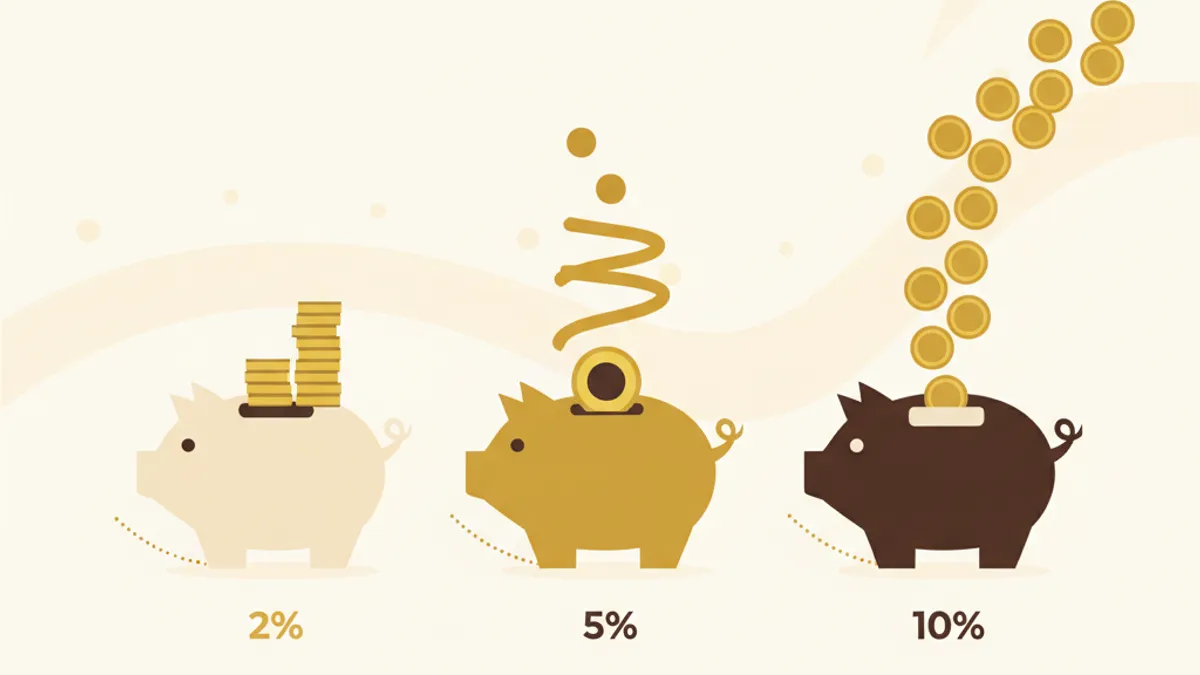
Best Savings Accounts in NZ (2026 Comparison)
Your savings account is probably paying 0.05%. These NZ accounts pay 10-50x more, updated rates from every major bank for 2026.
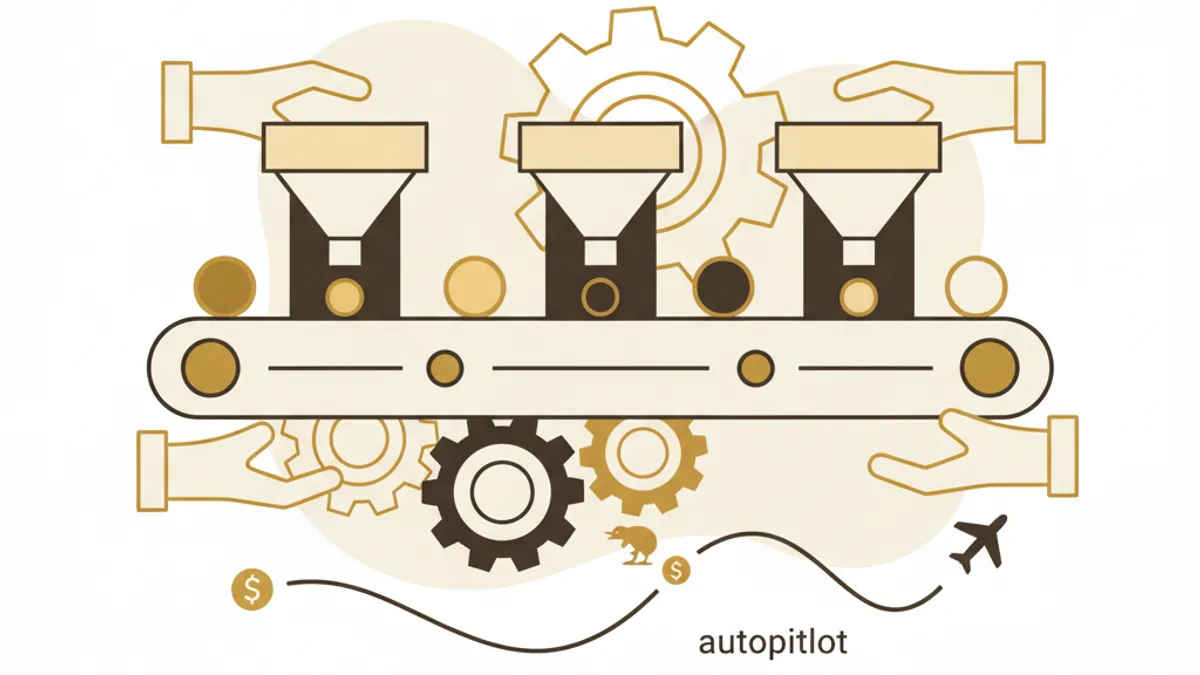
How to Automate Your Finances in NZ (Set and Forget)
Set it up once, never think about it again. This NZ automation guide puts your savings, bills, and tracking on autopilot in under 30 minutes.
Ready to sort your money?
Steady connects to your NZ bank accounts and helps you track spending, set goals, and get AI-powered insights.
Try Steady free