Average Salary in NZ 2026: What Kiwis Actually Earn
The median full-time Kiwi earns around $63k–$72k a year; the average is closer to $80k. Why the two differ, what is typical by life stage, and why take-home matters more than the headline.
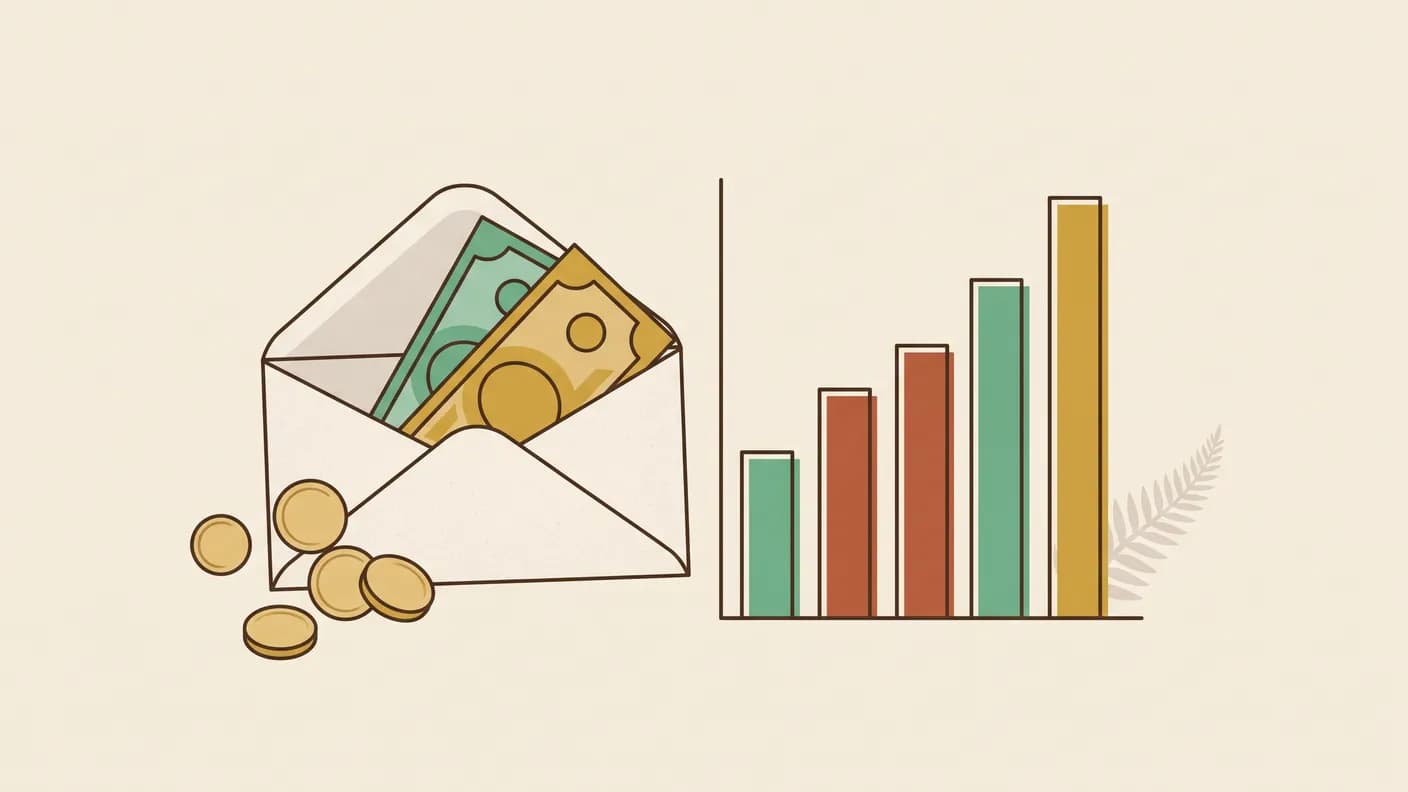
Quick answer: For full-time workers in New Zealand in 2026, the median salary is roughly $63,000–$72,000 a year (about $1,250 a week), and the average is roughly $79,000–$81,000 (about $1,460 a week). The median is the better guide to what a typical Kiwi earns, because a small number of high earners lift the average.
Kia ora. "Is my salary any good?" is a question most people search and few ask out loud. Here is the 2026 picture, and what actually decides how far a salary goes.
Work out your own number: the rent affordability calculator shows what a salary leaves once the rent is paid.
What is the median versus the average salary?
The median is the middle: half of full-time workers earn more, half earn less. The average adds everyone up and divides, so a handful of people on $300,000 pull it up without changing what most people take home.
If a headline says the average Kiwi earns $80,000 and you are on $62,000, you are not underpaid. You are close to the median. Compare yourself with the median, not the mean.
Figures come from Stats NZ labour-market data and move each quarter, so treat them as a mid-2026 snapshot.
What is a typical salary by life stage?
Very roughly, for full-time work:
- Early 20s, first job: $50,000–$60,000
- Late 20s to early 30s: $65,000–$85,000 as people specialise
- Established, 30s and 40s: $85,000–$120,000 or more in many fields
These vary widely by industry and region. Auckland and Wellington pay more but cost more. A $70,000 salary with low fixed costs can leave more room than $95,000 swallowed by rent and a car loan.
Why does take-home matter more than the headline?
Two people on $70,000 can end up in very different places. What counts is what is left after tax, KiwiSaver and fixed costs.
- Know your real take-home, not the headline figure, and budget from that.
- Check your tax code. The wrong one is a common reason for overpaying or a surprise bill. See how tax refunds work in NZ.
- Get your full employer KiwiSaver contribution. Contributing enough to receive it is worth more than most pay rises. See choosing a KiwiSaver fund.
- If you have children, check whether you qualify for Working for Families. Plenty of median-income households do.
Earning more versus keeping more
A pay rise is taxed and often absorbed by slowly rising spending. Keeping more of what you already earn takes effect straight away. How much you should have saved by 30 gives realistic benchmarks to check yourself against.
See where the salary goes
Steady connects to your NZ bank accounts and shows income in, bills out, and what is safe to spend before your next pay. That turns "am I paid enough?" into the more useful question: "am I keeping enough?"
The bottom line
Around $65,000 is a typical full-time NZ salary in 2026. Whether you are above or below it, the same steps help: know your take-home, claim every contribution and credit you are owed, and keep more of what lands.

Written by Sam Wilson
Founder, Steady
Sam is a New Zealand founder building Steady, a personal finance app designed for Kiwis, integrated with every major NZ bank via Akahu. He writes about money, bank integrations, and what actually works for everyday New Zealanders.More about Sam
Steady connects your bank and tracks it all automatically, no spreadsheets. Join the waitlist for early access.
Suggested reads
More from the Steady blog

Cost of Living NZ 2026: Real Weekly Numbers for Rent, Food, Power & Petrol
The average NZ household now needs $1,400+/week. Real 2026 numbers for rent, groceries, power and petrol, broken down by city and household size, with the latest Stats NZ CPI figures.
How Much Should I Have Saved by 30 in NZ? (2026)
The internet says "1× your salary by 30." What actually works for Kiwis in 2026? Real benchmarks by age, how much Kiwis your age really have, and how to catch up fast if you're behind.

NZ Tax Refund: How to Check If IRD Owes You Money (2026)
How IRD works out whether you are owed a refund, how to check in myIR, the deductions people miss, and when the money arrives.
Ready to sort your money?
Steady connects to your NZ bank accounts and helps you track spending, set goals, and get AI-powered insights.
Try Steady free