How to Budget for Christmas and the January Bills in NZ
Why January is the hardest month for many NZ households, the bills that land after Christmas, and a simple plan to cover presents, the holidays and the long gap to the first January pay.
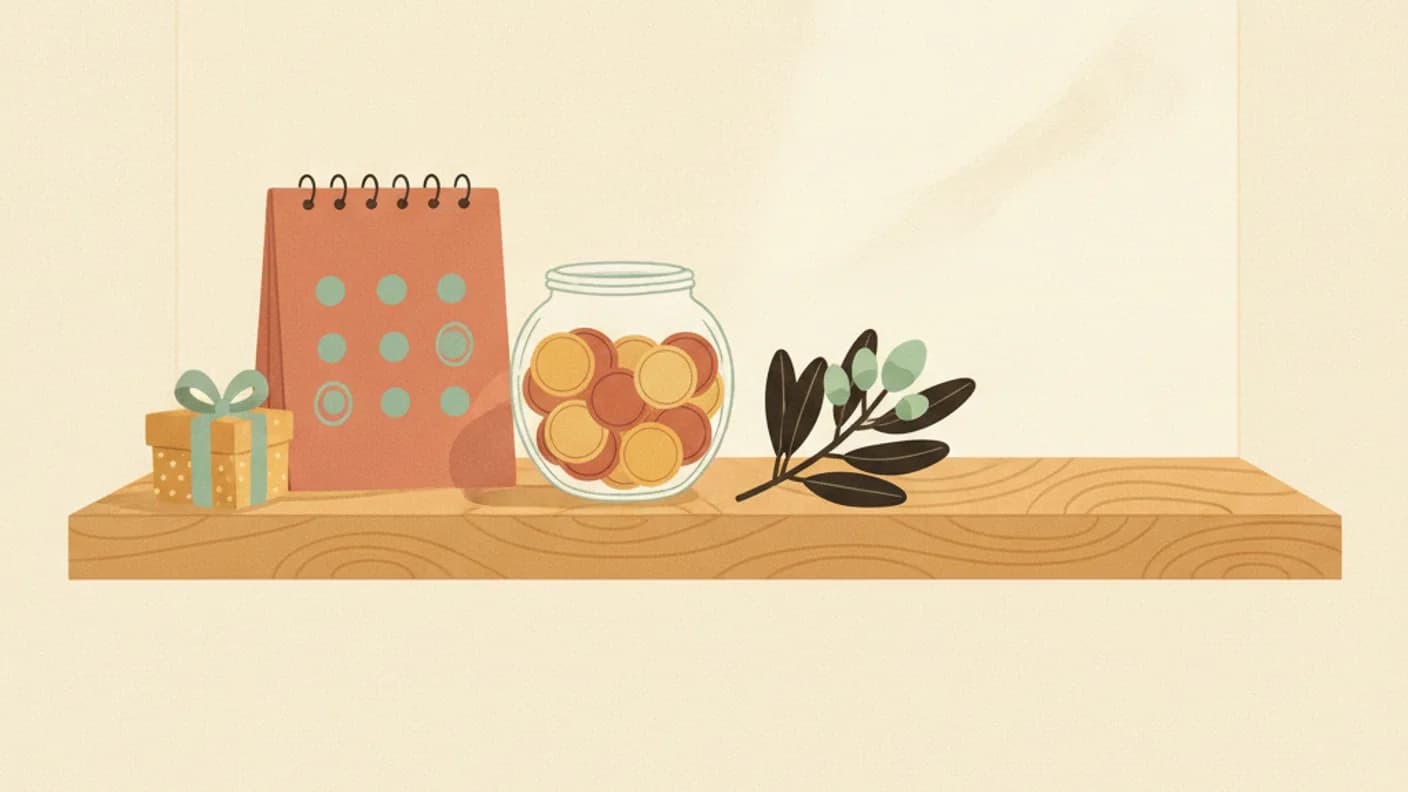
Quick answer: Work out three numbers before December: what Christmas itself will cost, which bills land in January (rates, insurance renewals, rego, school costs), and how long you need to last until your first full pay of the new year. Put money aside for all three each pay from now until Christmas, and decide your Christmas spending limit up front rather than at the checkout.
Kia ora. For a lot of New Zealand households the hard part of the holidays is not December. It is January, when the presents are paid for, the bills that were waiting quietly arrive, and the next proper pay feels a long way off. Here is how to plan for both.
Why is January so hard in New Zealand?
Three things stack up at once.
- Christmas spending lands just before the bills. Presents, food, travel and the summer break all come out in December.
- January bills do not take a holiday. Rates instalments, insurance renewals, vehicle rego and the start of the school year can all fall in late January or early February.
- Pay timing shifts. Many workplaces pay early before Christmas, so the gap to the first January pay is longer than usual. If you are paid fortnightly, it can feel like the longest fortnight of the year.
None of these is a surprise. They just arrive together.
How much should I set aside for Christmas?
There is no right number, only one you choose on purpose. Write down who you are buying for, a limit for each person, food for the days you are hosting, and any travel. Add it up. That total is your Christmas budget, decided in October rather than discovered in January.
If the total feels too high, it is easier to trim a list now than to undo spending later: a family Secret Santa, a dollar limit, or a shared meal instead of hosting everything.
Which bills land in January and February?
Check your own year, because it differs by household. The usual suspects:
- Council rates. Many councils have an instalment falling in late January or February. See how council rates are calculated to work out yours.
- Insurance renewals. Car, contents and house policies often renew on an anniversary that can fall over summer.
- Vehicle rego and WOF.
- Back to school. Uniforms, stationery, devices and activity fees, usually due before the first week of term.
- Subscriptions that renew yearly, which are easy to forget because they only appear once. Annual bills you forget has a fuller list.
How do I make it to the first January pay?
Find your last pay before Christmas and your first pay in January, then count the days between them. Everything you need over that stretch, including food, fuel, bills due in that window and your holiday spending, has to come from that last December pay plus whatever you have put aside.
That is the same question as will I have enough before payday, just over a longer and more expensive gap.
A simple plan from now until Christmas
- Add the three numbers together: Christmas, the January bills, and the extra days to your first January pay.
- Divide by the pays left before Christmas. That is what to put aside from each pay.
- Move it on payday, into a separate savings account if you can, so it is not sitting in your spending money.
- Set a Christmas limit and keep to it. If you go over in one area, take it from another.
- Leave a buffer for the things that always come up: a forgotten present, a broken appliance, a summer barbecue.
If the numbers do not fit, it is better to know in October. You have time to lower the Christmas total, push a bill to a payment plan, or pick up extra hours before the holidays.
How can Steady help?
Steady connects to your NZ bank accounts and finds your bills, including the yearly ones, and shows them on a calendar of the year ahead. The pay plan helps you give each pay a job, with part set aside for what is coming, and Safe to Spend shows what is left once bills and savings are covered. Over summer, that is the number that tells you whether the barbecue is fine or the January rates are about to bite.
The bottom line
Christmas is not the expensive part on its own. It is Christmas plus January's bills plus a longer gap to payday. Add the three together now, set aside a share from each pay between now and Christmas, and January becomes a month you planned for rather than one that happens to you.

Written by Sam Wilson
Founder, Steady
Sam is a New Zealand founder building Steady, a personal finance app designed for Kiwis, integrated with every major NZ bank via Akahu. He writes about money, bank integrations, and what actually works for everyday New Zealanders.More about Sam
Steady connects your bank and tracks it all automatically, no spreadsheets. Join the waitlist for early access.
Suggested reads
More from the Steady blog

The Annual Bills Kiwis Forget: Rates, WOF, Rego, Insurance
A list of the once-a-year costs that wreck otherwise fine budgets in New Zealand, roughly what each runs, and how to stop them landing as a surprise.

Will I Have Enough Money Before Payday? How to Actually Know
The maths behind whether you'll make it to payday, why your bank balance lies to you, and how to work out what's genuinely spendable today.
What is 'Safe to Spend'? The Budgeting Number That Actually Works
One number replaces your entire budget. Safe to Spend is what you can spend before your next payday without missing a bill. How it works, and where it breaks.
Ready to sort your money?
Steady connects to your NZ bank accounts and helps you track spending, set goals, and get AI-powered insights.
Try Steady free