How to Pay Off Your Mortgage Faster in NZ (2026)
Small changes knock years off an NZ mortgage. Pay fortnightly, round up, keep repayments when rates drop, and use lump sums, here's how much each one actually saves, with examples.

The short version
- If you pay monthly, you make 12 payments a year.
- Rates have eased as the OCR came down, see how OCR cuts affect your repayments.
- Tax refunds, work bonuses, an inheritance, a one-off lump sum against the principal early in the term saves disproportionate interest because of how amortisation front-loads interest.
Kia ora. Your mortgage is probably the biggest interest bill of your life. The good news: small, painless changes can knock years off it and save tens of thousands in interest. Here's how, ranked by impact.
The short version
The four levers that actually move the needle:
- Pay fortnightly, not monthly, sneaks in an extra month's repayment a year.
- Round up your repayment, even $20/week compounds hard.
- Keep repayments level when rates drop, the single biggest hidden win in 2026.
- Throw lump sums at it, tax refunds, bonuses, windfalls.
Do two or three of these and you can cut years off a 30-year term.
1. Switch to fortnightly repayments
If you pay monthly, you make 12 payments a year. Pay half the monthly amount every fortnight and you make 26 half-payments, which equals 13 monthly payments a year, not 12. That extra payment goes straight at the principal.
On a $600k mortgage, this trick alone can save tens of thousands in interest and cut a couple of years off the term, for money you'd have paid anyway.
2. Round up your repayment
Banks set your repayment to the minimum. Round it up. $20–$50 extra a week feels minor but, applied to principal, compounds dramatically over 25–30 years. Most banks let you increase your regular repayment in their app in two taps.
Steady tip: The easiest extra repayment is the one you don't feel. Steady shows your real Safe to Spend after the mortgage, so you can see exactly how much spare you've got to throw at it. Join the waitlist for early access.
3. Keep your repayments level when rates fall (2026's big one)
Rates have eased as the OCR came down, see how OCR cuts affect your repayments. When your rate drops at refix, your bank will offer to lower your repayment. Don't take the cut, keep paying the old, higher amount. The difference now goes entirely to principal, and you barely notice because it's what you were already paying. This is the highest-impact move available in 2026 and it costs you nothing extra.
4. Use lump sums wisely
Tax refunds, work bonuses, an inheritance, a one-off lump sum against the principal early in the term saves disproportionate interest because of how amortisation front-loads interest. Check your fixed-rate terms first: many allow extra repayments up to a limit per year without break fees.
5. Get the structure right at refix
When you refix, consider splitting your loan (part fixed, part floating/revolving) so you can overpay the flexible portion freely. Whether to fix or float at all is covered in fixed vs floating 2026.
A quick example
On a $600,000 loan at ~5.8% over 30 years:
- Fortnightly + round up $40/week: roughly 4–5 years off the term and tens of thousands saved.
- Keep repayments level after a 1% rate drop: similar or bigger impact, for zero extra out of pocket today.
Exact numbers depend on your rate and balance, run yours, then pick the levers you can sustain.
Does paying fortnightly really pay the mortgage off faster?
Only if you pay half the monthly amount every fortnight. That is the whole trick, and it is easy to get wrong.
Twenty-six half-payments a year add up to thirteen monthly payments rather than twelve, and the thirteenth lands entirely on the principal. Ask for a fortnightly amount and some banks will instead divide the annual total by 26, which changes the timing and nothing else.
Check the figure. If it is exactly half your old monthly payment, the trick is working.
Can I make extra repayments on a fixed mortgage?
Usually some, and the limit is in your loan documents rather than in general advice.
Most New Zealand lenders allow extra repayments on a fixed loan up to a set amount each year, often expressed as a percentage of the balance. Go past it and you are into early repayment costs.
A floating or revolving portion has no such limit, which is exactly why splitting the loan is the standard answer for anyone planning to overpay.
What is an offset or revolving credit account?
A way of letting your savings sit against the mortgage instead of earning interest separately.
With an offset, the balance in a linked everyday account is subtracted from the loan balance before interest is calculated. With revolving credit, the loan and the account are the same thing, so your pay reduces the balance the day it lands.
Both save real money for people who keep a decent balance and do not spend it. Neither helps if the account runs near zero, and the revolving version needs discipline, because the limit does not drop by itself.
Should I pay the mortgage down or invest instead?
Compare the rates first, then how certain you need the answer to be.
Every dollar off the mortgage earns a guaranteed return equal to your interest rate, and there is no tax on it. An investment might do better over decades and might not over any given five years.
When mortgage rates are high, paying down the loan is a strong, certain move. Our beginner investing guide covers the other side of the comparison.
The bottom line
You don't need to find huge money to pay your NZ mortgage off faster. Pay fortnightly, round up, hold your repayment level when rates fall, and aim lump sums at the principal. Two or three of these together can cut years off your loan.
Steady tip: Steady tracks your mortgage and your Safe to Spend together, so you always know how much extra you can safely throw at it. Join the waitlist to be one of the first.

Written by Sam Wilson
Founder, Steady
Sam is a New Zealand founder building Steady, a personal finance app designed for Kiwis, integrated with every major NZ bank via Akahu. He writes about money, bank integrations, and what actually works for everyday New Zealanders.More about Sam
Steady connects your bank and tracks it all automatically, no spreadsheets. Join the waitlist for early access.
Suggested reads
More from the Steady blog
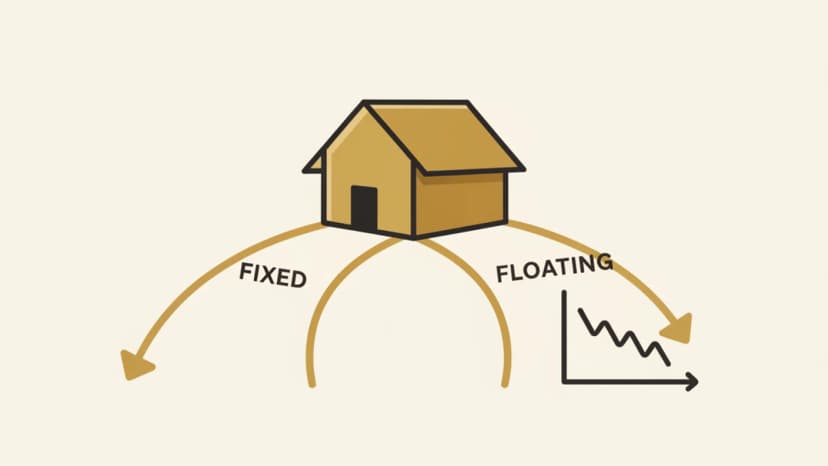
Mortgage Fixed vs Floating in NZ (2026): The Real Trade-off
Fixed locks your rate, floating moves with the OCR. In a falling-rate environment like 2026, which makes more sense? A practical guide to splitting, breaking, and the small print Kiwis miss.
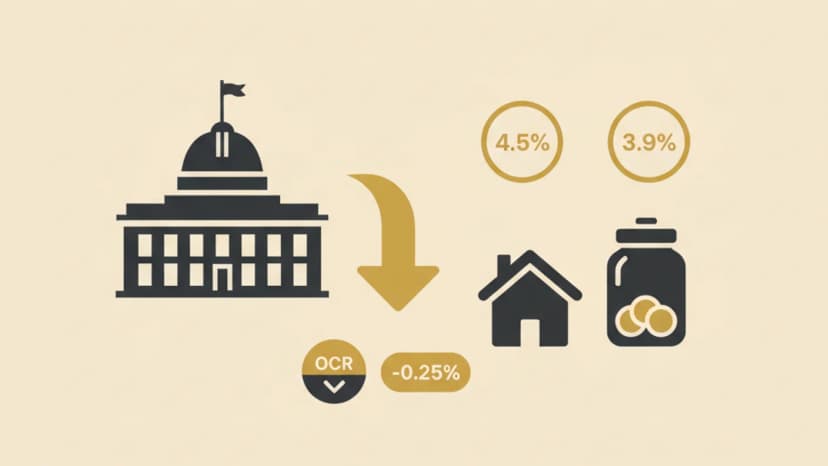
OCR Cuts in 2026: What They Mean for Your Mortgage and Savings
The OCR fell through early 2026, bottomed, and has since been RAISED twice to 2.75%. Here is what the turn means for your mortgage repayments and your savings interest.

NZ Mortgage Rates 2026: Fixed vs Floating and How to Save Thousands
NZ mortgage rates updated May 2026, fixed vs floating, the latest 1- and 2-year rates from the big four, and the fortnightly trick that still saves $30k+ over the loan life.
Ready to sort your money?
Steady connects to your NZ bank accounts and helps you track spending, set goals, and get AI-powered insights.
Try Steady free