NZ Mortgage Rates 2026: Fixed vs Floating, and Getting a Better Rate
Carded NZ mortgage rates at the big five banks in September 2026, how fixed and floating compare, why many people split their loan, and how to negotiate a better rate at refix time.
Quick answer: In mid-September 2026, carded rates at the big five banks were roughly 4.59%–4.69% for a 1-year fixed loan and 6.14%–6.34% floating. Fixed was well below floating. Carded rates are a starting point: banks often take 0.20–0.40 percentage points off for new lending or a refix if you ask, so get quotes from at least two banks before your fix rolls over.
Kia ora. A mortgage is the biggest financial commitment most people make. Here is where rates sat in 2026, how fixed and floating compare, and how to get a better deal at refix time.
What were NZ mortgage rates in 2026?
Carded rates at the big five banks, mid-September 2026, from interest.co.nz:
- 1-year fixed: 4.59%–4.69% (ASB and BNZ 4.59%, Kiwibank 4.65%, ANZ and Westpac 4.69%)
- Floating: 6.14%–6.34%
Only the terms with a current source are listed. Longer fixed terms move with what the market expects the Official Cash Rate to do, so check interest.co.nz for today's 2- to 5-year rates rather than relying on any article.
Should I fix or float?
Fixed
Your rate is locked for a set term, usually six months to five years.
- Good for: repayments you can plan around, and protection if rates rise.
- Watch for: break fees if you exit early, and limits on extra repayments.
Floating
Your rate can change at any time, usually following the Official Cash Rate.
- Good for: extra repayments without penalty, and no break fees.
- Watch for: repayments that can rise, and rates that are usually higher than fixed.
Why do many people split their mortgage?
A split loan divides the mortgage into portions with different rates and terms. Common approaches:
- Mostly fixed, part floating: certainty on the bulk, with room for extra repayments on the floating part.
- Staggered fixed terms: for example, half on a 2-year and half on a 4-year fix, so the whole loan never refixes at once.
- A revolving credit portion: your income sits against the loan, reducing the interest-bearing balance. It can save interest but needs disciplined spending.
How do I negotiate a better rate?
- Get quotes from at least two other lenders, even if you are happy where you are.
- Take the best offer back to your bank and ask them to match or beat it.
- Ask about more than the rate: cashback, waived fees, and repayment flexibility.
- Consider a mortgage broker. They work across lenders and are usually paid by the bank you choose.
When should I refix?
Start looking 30–60 days before your fix ends. Many banks let you lock in a new rate early. If you let the fix expire without choosing, the loan usually rolls onto the floating rate, typically the highest, until you refix.
Frequently asked questions
How much can negotiating save?
Often 0.2–0.5 percentage points off the carded rate. On a $600,000 mortgage, 0.3 percentage points is roughly $1,800 a year in interest.
What is the difference between a break fee and an early repayment fee?
A break fee applies when you leave a fixed loan early, for example when selling or refinancing. An early repayment fee applies when you pay off more than the bank allows during a fixed term.
Is now a good time to buy?
That depends more on your situation than the market: a stable income, a deposit, and plans to stay five years or more. How much house you can afford is a better starting point than trying to time rates.
Seeing the repayment in your week
Steady shows your mortgage repayment alongside your other bills, so you can see what a new rate would mean for what is safe to spend each pay.
_General information only, not financial advice. Rates change often; check current rates with lenders or a broker._

Written by Sam Wilson
Founder, Steady
Sam is a New Zealand founder building Steady, a personal finance app designed for Kiwis, integrated with every major NZ bank via Akahu. He writes about money, bank integrations, and what actually works for everyday New Zealanders.More about Sam
Steady connects your bank and tracks it all automatically, no spreadsheets. Join the waitlist for early access.
Suggested reads
More from the Steady blog
How Much House Can I Afford in NZ? (2026 Calculator + Rules)
Banks use 6x income as a rough ceiling, but the test rate they apply is closer to 7.5%. Here's the realistic affordability picture for NZ buyers in 2026, with worked examples for $80k, $120k, and $200k household incomes.
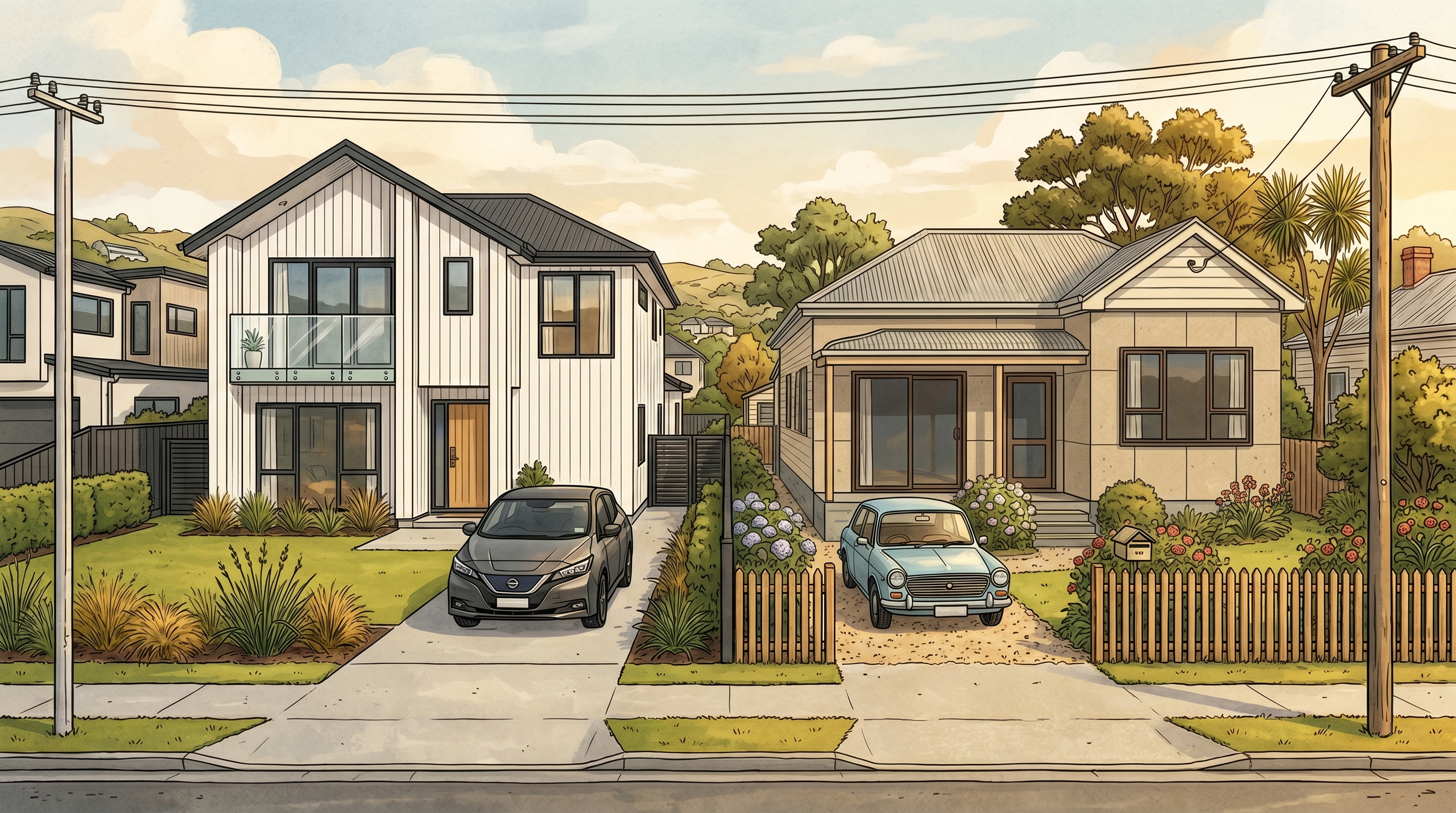
New Build vs Existing Home in NZ (2026): The Full Cost Comparison
New builds in NZ need a smaller deposit and less maintenance. Existing homes usually cost less per square metre. A side-by-side of deposits, hidden costs and 30-year totals for first-home buyers.

Using Your KiwiSaver for a First Home in 2026: The Full Guide
How the KiwiSaver first-home withdrawal works in 2026, eligibility, the $1,000 you must leave behind, the application timeline, and why the First Home Grant is no longer part of the picture on top.
Ready to sort your money?
Steady connects to your NZ bank accounts and helps you track spending, set goals, and get AI-powered insights.
Try Steady free