How to Audit Your Subscriptions and Save Hundreds
The average Kiwi wastes $127/month on forgotten subscriptions. This 5-minute audit finds every one, and shows you how to cancel them.
The short version
- Most Kiwi households spend $150-300/month on subscriptions and recurring services.
- Check your bank statements for the last 3 months.
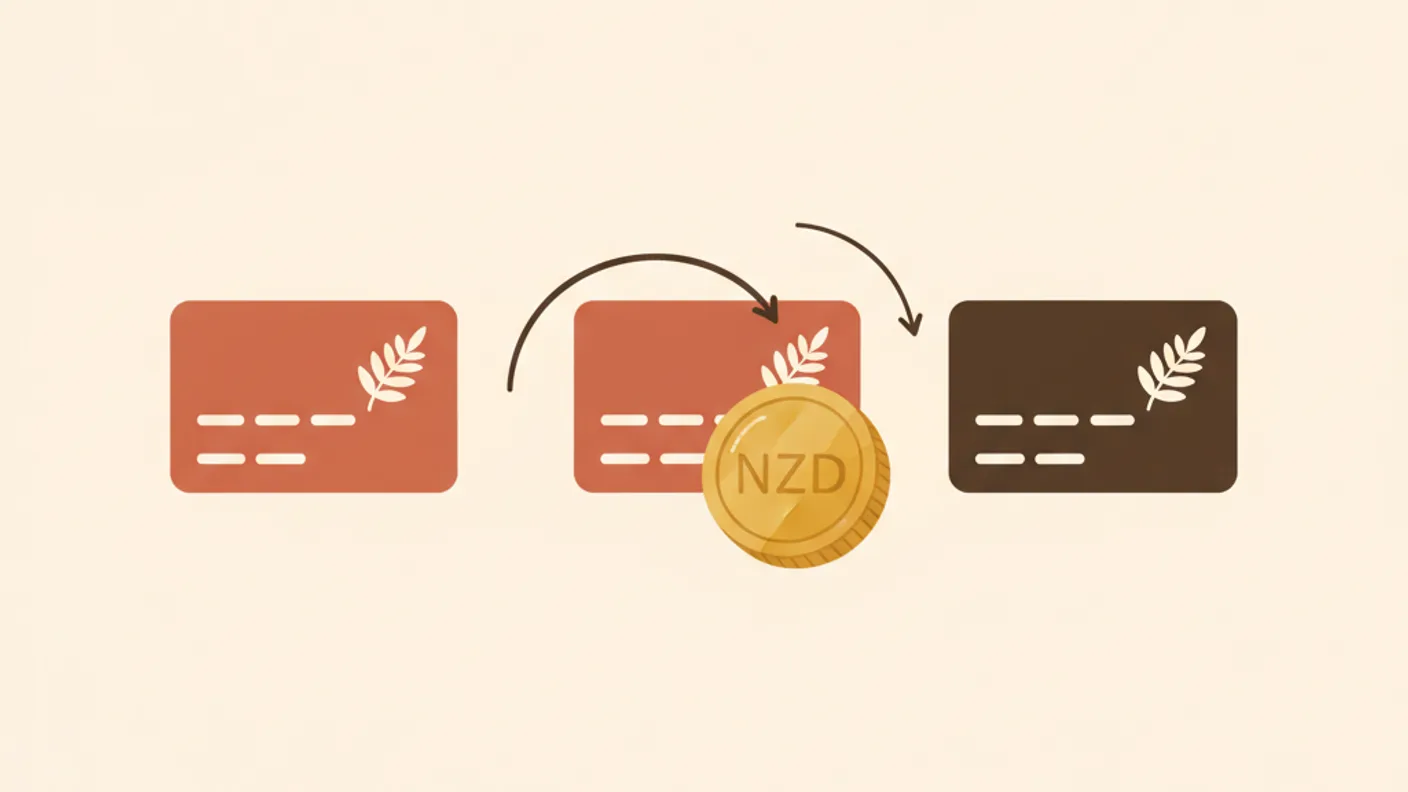
- Instead of keeping 4 streaming services year-round, keep 2 and rotate the others.
Subscription creep is real. A streaming service here, a gym membership there, that meditation app you used twice, it adds up fast. It's one of the biggest leaks when you're trying to save money in New Zealand.
The average NZ household
Most Kiwi households spend $150-300/month on subscriptions and recurring services. That's $1,800-3,600/year. At least 10-20% of that is typically going to services you don't actively use.
The 3-step audit
Step 1: Find them all
Check your bank statements for the last 3 months. Look for any recurring charges. Common ones people forget:
- Streaming: Netflix, Spotify, Disney+, Neon, Apple TV+, YouTube Premium
- Apps: Cloud storage, productivity tools, dating apps, news paywalls
- Fitness: Gym memberships, fitness apps, class passes
- Insurance: Contents, car, health, life, pet
- Software: Adobe, Microsoft 365, password managers
Don't rely on memory, check the actual statements. Or use an app that automatically detects recurring payments from your bank transactions.
Step 2: Categorise them
For each subscription, mark it as:
- Essential, you'd notice immediately if it stopped (power, internet, insurance)
- Regular use, you use it at least weekly (Netflix, Spotify, gym)
- Occasional, you use it monthly or less
- Forgotten, you didn't even remember having it
Step 3: Cut the bottom two
Cancel everything marked "forgotten" immediately. For "occasional" subscriptions, ask: would I sign up for this today at this price? If no, cancel.
Common savings for NZ households
| Service | Typical cost | Alternative |
|---|---|---|
| Unused gym membership | $15-25/week | At-home workouts, outdoor exercise |
| Duplicate streaming | $15-20/month | Pick 2, rotate the rest |
| Premium app tiers | $5-15/month | Free tiers are usually enough |
| Magazine/news subscriptions | $10-20/month | Library access, free news sources |
The rotation strategy
Instead of keeping 4 streaming services year-round, keep 2 and rotate the others. Subscribe to the third for a month, binge what you want, cancel. Subscribe to the fourth next month. You get access to everything but only pay for 2-3 at a time.
Set a quarterly reminder
Subscriptions creep back. Set a calendar reminder every 3 months to review your recurring payments. Most people save $20-50/month on the first audit alone.
How do I identify a charge I do not recognise?
Search the exact descriptor. The odd string on the statement is usually the billing company rather than the brand, and it is almost always the first result.
If that fails, check the three places subscriptions hide. Your Apple account, your Google Play account, and PayPal each hold a list of active subscriptions that never appears as a separate merchant on your statement.
Only after those come up empty is it worth calling the bank. Genuine fraud is rarer than a forgotten billing name.
How do I cancel a subscription that makes it hard to cancel?
Cancel it where you bought it, which is often not the company itself.
Anything bought through an app store is cancelled in your Apple or Google account, and emailing the company achieves nothing. Anything bought on their website is cancelled in the account settings there, usually two or three clicks deeper than the upgrade button.
Keep the confirmation email. It is the one piece of evidence that settles a charge that keeps arriving.
Can my bank stop a recurring payment?
Sometimes, and the distinction matters.
A direct debit is an authority you gave the merchant to pull from your account, and your bank can cancel that authority for you. A recurring card payment is charged against your card number, and the bank can block or reissue the card, which is a blunter tool.
Either way, stopping the payment is not the same as ending the contract. Cancel with the provider as well, or you will owe the money without the service.
Why does a subscription get dearer without anything changing?
Three ordinary reasons, and none of them is an error.
An introductory rate ended. An annual price rise landed, which most streaming and software services now do once a year. Or your old plan was retired and you were moved onto the nearest current one.
All three are invisible on direct debit, which is exactly how $12 a month becomes $19 without a decision ever being made.
Automate the detection
Rather than manually checking statements every quarter, use a personal finance app that automatically detects recurring payments and shows you the total. Apps like Steady flag new subscriptions and show your total monthly recurring costs, making it easy to spot creep before it compounds. See how Steady tracks bills.

Written by Sam Wilson
Founder, Steady
Sam is a New Zealand founder building Steady, a personal finance app designed for Kiwis, integrated with every major NZ bank via Akahu. He writes about money, bank integrations, and what actually works for everyday New Zealanders.More about Sam
Steady connects your bank and tracks it all automatically, no spreadsheets. Join the waitlist for early access.
Suggested reads
More from the Steady blog

How Much Is Petrol in NZ 2026? Average Price & How to Spend Less
What petrol costs in NZ in 2026, what the average driver spends per week on fuel, and practical ways to cut your fuel bill, from apps and fuel cards to simple driving habits.
Best Mobile Plans NZ 2026: Stop Paying $80 for Your Phone
Most Kiwis overpay for mobile. In 2026, Skinny, Kogan and prepay plans from the big three cover typical usage for $20–$40/month, half what many pay. Here's the comparison and how switching actually works.
Car Insurance NZ 2026: How Much It Costs & How to Pay Less
What's the average car insurance premium in NZ in 2026, what drives the price, and how to lower it without losing cover. Comprehensive vs third party explained, plus the levers that actually cut your premium.
Ready to sort your money?
Steady connects to your NZ bank accounts and helps you track spending, set goals, and get AI-powered insights.
Try Steady free